Automations
Multi Location Brands usually need a cleaner way to keep customers from landing on the wrong location path. follow up automations can help when the business wants to keep good customer actions from going cold after the first scan, tap, text, or form.
A customer scans, taps, or clicks while they are already ready to act. That moment should support the location that actually earned the visit. The first action is only useful if the team knows what should happen next.
Bizinga usually connects pages and tools such as automations, forms and automations, and business texting and shared inbox so the customer can take the next step without searching for it.
Where teams usually get stuck
Multi Location Brands often lose momentum when the customer reaches a generic page, the wrong location, or a next step that takes too much effort. That break can hurt review growth, lead quality, and response speed at the same time.
It also creates more work internally. Staff end up redirecting people, cleaning up missed context, or trying to figure out which location or teammate owns the conversation. A better path reduces that confusion before it starts.
Where follow up automations matter
The first action is only useful if the team knows what should happen next.
Keep good customer actions from going cold after the first scan, tap, text, or form so the action matches what the customer is trying to do in that moment.
What should happen after the first action
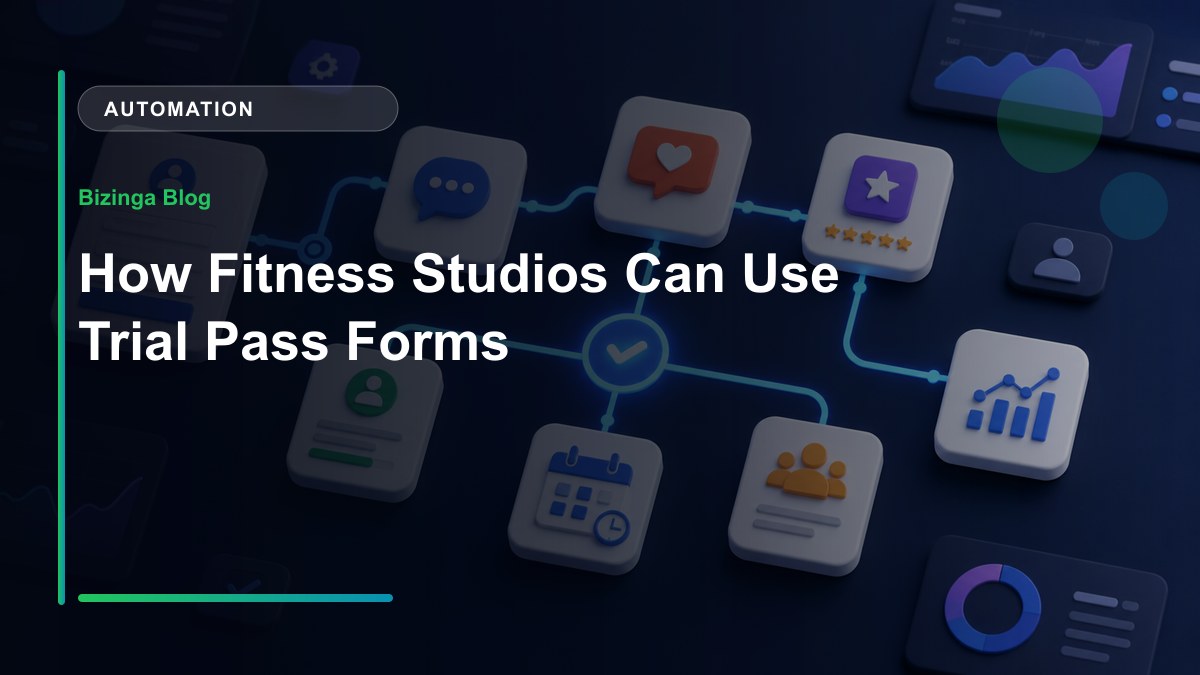
Automation is most helpful after a strong customer signal. A form submission, review request, scan, tap, or missed call should trigger a clear next step instead of relying on memory or a sticky note.
The follow up does not need to be complicated. It only needs to happen consistently and at the right time. That can mean a text reply, a review reminder, a routing rule, or an internal task for the team.
How this connects to the rest of the Bizinga stack
Bizinga usually gets better results when the visible call to action, the destination page, and the follow up path are planned together. That can include automations, forms and automations, business texting and shared inbox, and Google Business Profile optimization.
The goal is not to add more tools for the sake of it. The goal is to make the first action easy, keep the experience local when it needs to be local, and make sure the team knows what should happen next.
Questions to answer before launch
- Which action matters most at the first touch
- Does the destination need to change by location or service area
If the team can answer those questions clearly, the campaign will be easier to explain, easier to measure, and easier to improve over time.
Talk with Bizinga about the right setup
If you want a clearer path for reviews, scans, taps, forms, or business texting, Bizinga can help map the destination, routing, and follow up around the way your team actually works.
Related Bizinga pages
Helpful questions
What should trigger the first automation
Start with the customer actions that already show intent, such as forms, texts, scans, and missed calls.
Do automations need to feel robotic
No. The goal is consistency, not a generic experience.